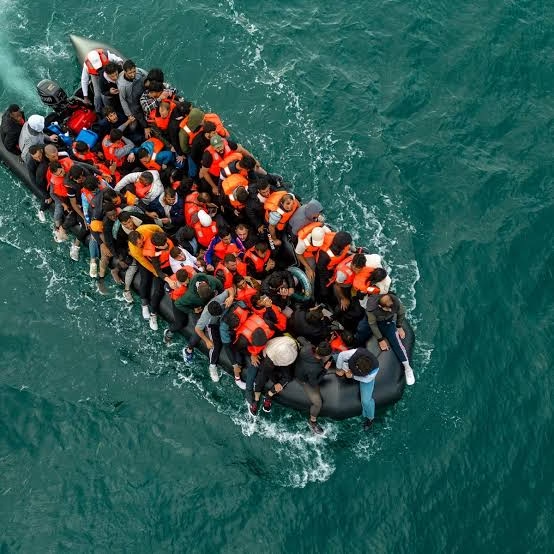

The United Kingdom has threatened to ban Eritrean nationals from entering the country unless Eritrea agrees to accept more of its citizens who have no legal right to remain in Britain, including foreign national offenders. Home Secretary Shabana Mahmood announced the measures as part of the UK government’s efforts to increase deportations and pressure countries it says are refusing to cooperate with the return of their citizens. From Thursday, Eritrean diplomats will face restrictions on travelling beyond 60 kilometers from London without permission, while fast-track visa services for senior officials will be suspended. The government warned that a broader visa ban could follow if Eritrea does not change its position.
Mahmood said Eritrea had repeatedly refused to accept the return of people who had no right to remain in Britain, adding that the government was prepared to impose further restrictions on countries that failed to cooperate. Eritrea has dismissed the measures as a political gimmick. Its embassy in London accused the UK of failing to engage in meaningful dialogue and questioned the British government’s account of previous cooperation on deportations. The Home Office rejected Eritrea’s claims, saying its response misrepresented the UK’s position. The dispute comes as Eritreans account for a significant share of irregular migration across the English Channel. House of Commons Library figures show that Eritreans represented 18% of small-boat arrivals in the 12 months to June. During the same period, more than 5,800 Eritreans arrived in Britain by small boats, while only seven people were returned directly to Eritrea.

However, migration experts have questioned whether visa restrictions would significantly reduce migration. Dr Madeleine Sumption, director of the University of Oxford’s Migration Observatory, said most Eritreans seeking asylum in the UK are granted protection, making their removal legally difficult. Eritrea has faced longstanding international criticism over its human rights record, including indefinite national service, restrictions on political freedoms and the absence of national elections since independence from Ethiopia in 1993. These conditions have contributed to the departure of many Eritreans seeking safety and greater freedom abroad.
The UK has previously threatened visa restrictions against Angola, Namibia and the Democratic Republic of Congo over deportation disputes. In the DRC’s case, restrictions were later lifted after cooperation improved, while Angola and Namibia agreed to changes before penalties were introduced. The latest measures reflect Britain’s broader efforts to increase removals. Home Office figures show that more than 40,600 returns and deportations took place between July 2025 and June 2026, an increase of 8% on the previous 12-month period. Whether the pressure on Eritrea will lead to greater cooperation remains uncertain, particularly given the number of Eritrean asylum seekers who may qualify for international protection under UK law.