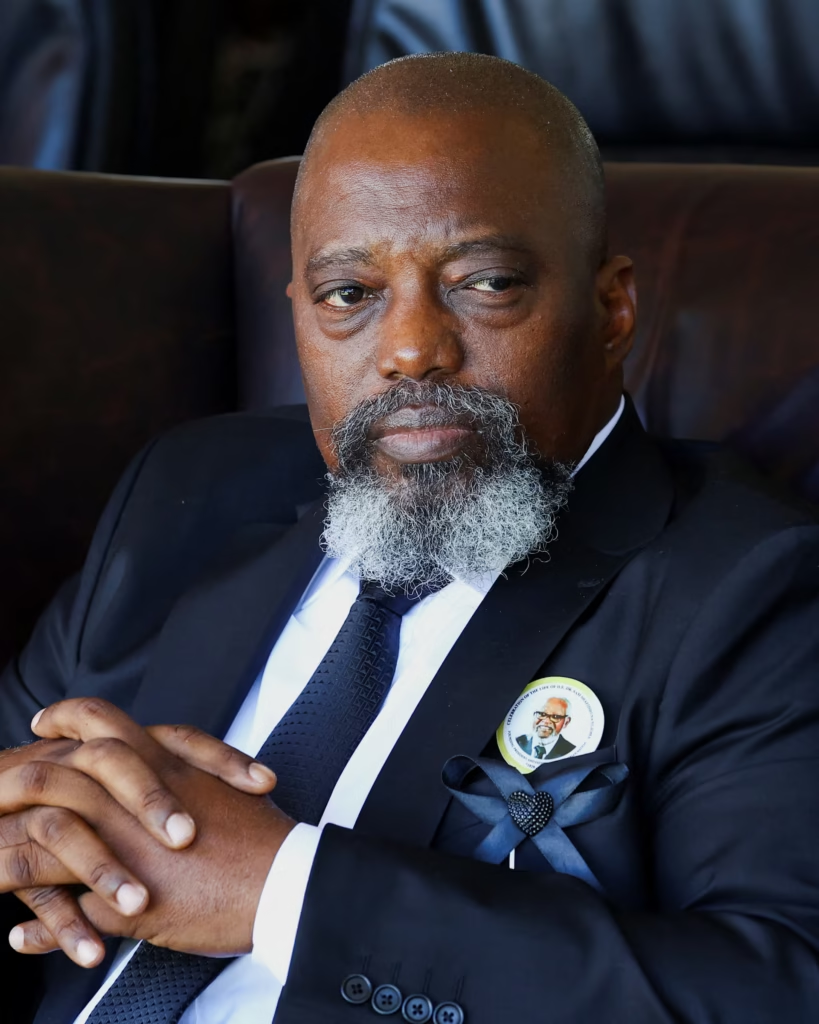

The Democratic Republic of Congo (DR Congo) government has accused former president Joseph Kabila of preparing a wider attack against the state after he joined forces with the M23 rebel movement, escalating tensions amid the ongoing conflict in the country’s east. Government spokesman Patrick Muyaya told AFP on Friday that Kabila had decided to formalize what authorities described as an offensive against the republic. Muyaya accused the former leader and his allies of seeking to seize territory through armed force. The alliance was announced on Monday under a new political and military organization called the Front for the Refoundation of the Nation (FRN). The group said it intended to unite its resources and pursue political change, including through force. Kabila is set to lead the organization, with M23 leaders serving as deputies.
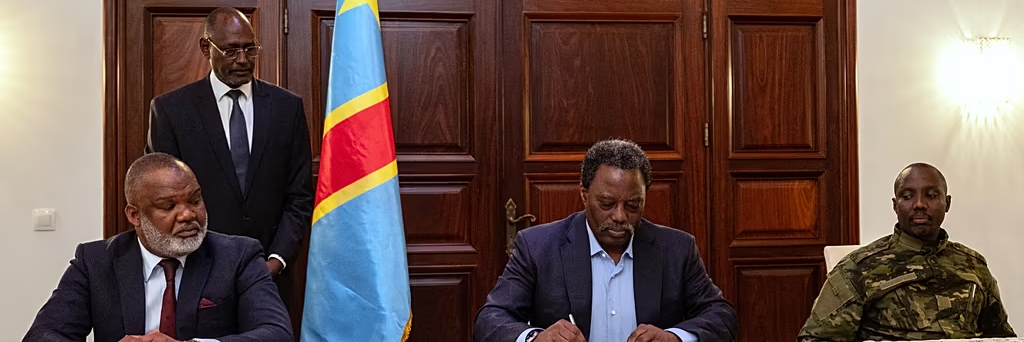
Kabila, who governed DR Congo from 2001 to 2019, has repeatedly denied allegations linking him to the rebellion. Congolese authorities have accused him of supporting the Congo River Alliance (AFC), the political coalition associated with M23. In September 2025, a military court sentenced him to death in absentia for treason-related offences and alleged complicity with the rebels. His return to the political spotlight comes as fighting continues in eastern DR Congo. In early 2025, an offensive involving M23 and forces described in reports as Rwandan-backed resulted in the capture of Goma and Bukavu, two major cities in the east. Although front lines have since stabilized in some areas, clashes, artillery fire and drone attacks have continued, particularly in South Kivu.
Kabila’s renewed involvement also comes amid domestic political tensions over President Félix Tshisekedi’s leadership and concerns about a proposed constitutional amendment. Tshisekedi’s second five-year term is due to end in 2028 under the current constitutional limit, while opposition demonstrations have challenged proposals seen as potentially opening the way to another term. In a speech published online on Friday, Kabila accused the government of being focused on remaining in power. However, the main opposition coalition has so far kept its distance from the former president. The latest developments raise further questions about the conflict’s political dimension and the prospects for stability in eastern DR Congo, where armed clashes and regional tensions continue despite diplomatic efforts to end the fighting.