
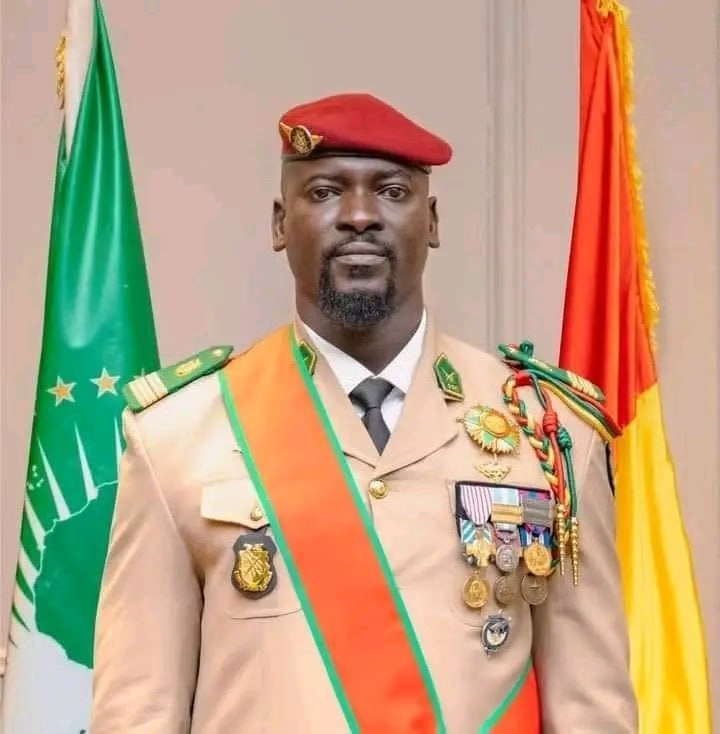

Guinea’s military ruler, Col. Mamadi Doumbouya, has formally entered the December 2025 presidential race, ending months of speculation and drawing criticism for reneging on his 2021 pledge to restore civilian rule. Doumbouya, who seized power in a military coup four years ago, submitted his nomination papers at the Supreme Court in Conakry on Monday, flanked by armed soldiers and wearing his signature dark sunglasses. The 40-year-old leader Africa’s youngest head of state made no public remarks during the filing. His candidacy marks a dramatic reversal of his earlier vow that neither he nor any member of the transitional military council would seek office. “As soldiers, we value our word very much,” Doumbouya had declared shortly after overthrowing then, President Alpha Condé in 2021, citing corruption, human rights abuses, and economic mismanagement.
The upcoming vote will take place under a new constitution, drafted and approved during the junta’s rule, which permits Doumbouya to contest the presidency. Critics argue the process has been carefully engineered to entrench military power. Adding to the controversy, two major opposition parties RPG Arc-en-Ciel, linked to ex-President Condé, and UFDG, led by ex–Prime Minister Cellou Dalein Diallo have been barred from participating. Both leaders currently live in exile, alongside other prominent political figures such as Sidya Touré. Concerns about the election’s fairness intensified after authorities set the candidate deposit fee at 875 million Guinean francs (about $100,000), a move civil society groups say effectively excludes smaller parties and independent candidates.
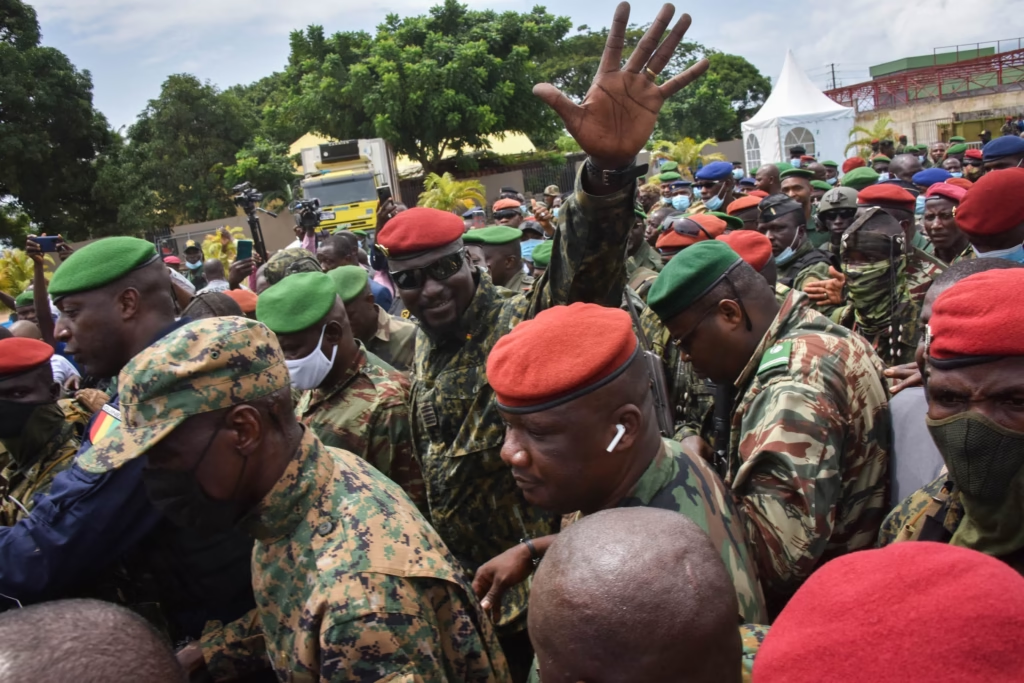
Under Doumbouya’s rule, Guinea has faced mounting repression. Rights groups accuse his government of crushing peaceful protests, restricting internet access, and suspending independent media outlets. The United Nations and ECOWAS have both urged Guinea to ensure free and inclusive elections. Before taking power, Doumbouya served in the French Foreign Legion and participated in international military operations in Afghanistan, Ivory Coast, and the Central African Republic. Now, four years after leading a coup that promised democracy, Doumbouya’s bid for the presidency has left many Guineans questioning whether the country is returning to civilian rule or deepening military dominance.


