


Nigeria’s High Commission in South Africa has urged its citizens to remain vigilant following violence that erupted during an anti-illegal immigration protest in the Eastern Cape province. The unrest broke out on Monday in the port city of East London, where activists had initially staged a peaceful march. Tensions escalated after claims that a protester was attacked by a foreign national, sparking retaliatory violence that left at least 10 vehicles burned and several shops, both local and foreign-owned—looted. No arrests have been confirmed so far. The Nigerian mission advised nationals to limit movement, avoid public gatherings, and prioritize personal safety as tensions remain high.
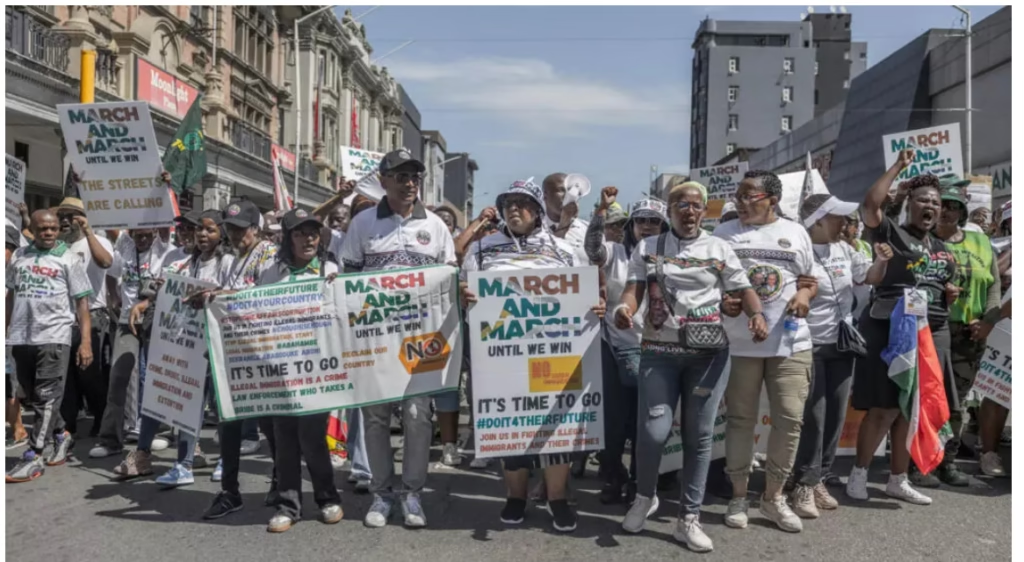
The incident comes amid controversy over the recent recognition of Solomon Ogbonna Eziko as “Eze Ndi Igbo,” a traditional Igbo leadership title by members of the local Nigerian diaspora. While the title is largely ceremonial and commonly used among Igbo communities abroad, some local South African groups viewed it as an attempt to assert political authority. Traditional leader Xhanti Sigcawu said the move had unsettled local chiefs, emphasizing that the area falls under Xhosa cultural authority. Provincial officials also distanced themselves from the installation, stressing that it was not recognized under South African law.
Local authorities, including East London mayor Princess Faku, condemned the violence. While supporting the right to protest, she said destruction and looting undermine efforts to address legitimate concerns about immigration and economic pressures. South Africa hosts approximately 2.4 million migrants, totalling about 4 percent of its population, mainly from neighboring countries such as Zimbabwe, Mozambique, and Lesotho, with a smaller number from Nigeria. Persistent unemployment, inequality, and crime have fueled periodic outbreaks of xenophobic violence over the years.
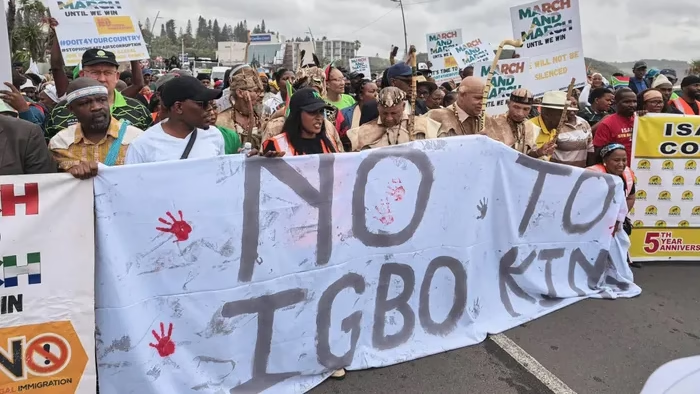
Leaders within the Igbo community have clarified that the title held by Eziko carries no political authority and is intended for cultural and social purposes, such as mediation and community representation. ABC Okokoh described the recognition ceremony as a private event and apologized for the tensions that followed. The protest was organized by civil society groups and political activists, reflecting growing anti-immigration sentiment that has increasingly become a focal point in South African public discourse.


