


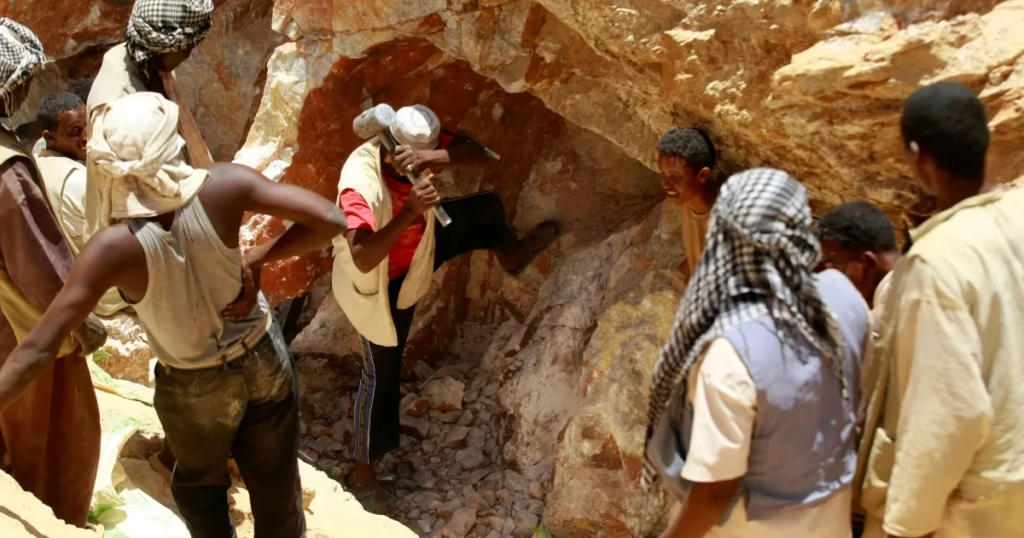
At least 74 mine workers have been killed in a deadly attack by unidentified gunmen in Jebel Iraq, a mineral-rich area southwest of Juba, deepening tensions between South Sudan’s government and opposition groups. The weekend massacre targeted artisanal miners operating in Central Equatoria state, a region known for both licensed and illegal gold mining activities. The area is officially under government control, but insecurity and the presence of multiple armed groups have made it volatile.
The opposition Sudan People’s Liberation Movement in Opposition, linked to detained First Vice President Riek Machar, condemned the killings and accused government forces of carrying out the operation, arguing the zone is under army control. However, authorities rejected the accusation. Acting Central Equatoria governor Paulino Lukudu Obede described the incident as a “brutal and barbaric,” and blamed rebel elements, while Deputy Information Minister David Yau Yau specifically pointed to the SPLM-IO. No group has officially claimed responsibility, and other armed factions, including the National Salvation Front, are known to operate in the region.
Vice President James Wani Igga condemned the attack as a “heinous massacre,” noting that the victims were vital to the local economy. He called for a full investigation to identify the perpetrators and prevent further violence. Opposition spokesperson Puok Both Baluang has urged the United Nations to launch an independent inquiry into what he described as the “Jebel Iraq massacre,” along with other alleged war crimes. The killings highlight ongoing instability in South Sudan, despite a fragile peace agreement signed in 2018. Disputes over control of natural resources, especially gold, continue to fuel conflict, while illegal mining remains widespread in remote regions with limited state oversight.


