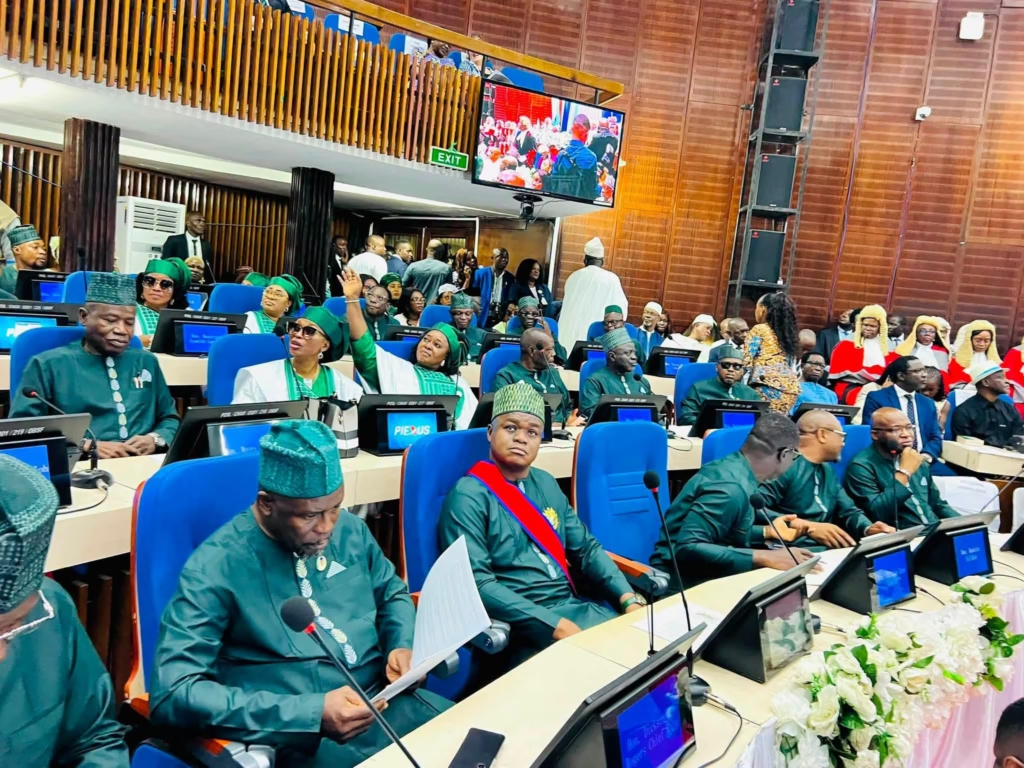

Sierra Leone’s Parliament has approved a major constitutional reform package that will change the country’s electoral system ahead of the 2028 presidential election, despite strong opposition from the main opposition All People’s Congress (APC). Parliament Speaker Segepoh Solomon Thomas said the bill was passed by a simple majority of members present. No official voting figures were immediately released. APC lawmakers walked out of the chamber after arguing that the constitutional changes required a two-thirds majority to pass. The party has strongly opposed the reforms, particularly the proposed change to the presidential vote threshold.
Under the new rules, a presidential candidate would need a simple nationwide majority to win, replacing the existing 55% threshold. However, a candidate would also have to secure at least 20% of the vote in two-thirds of Sierra Leone’s districts to avoid a runoff. The reforms will also introduce proportional representation for parliamentary elections and establish a 30% quota for women in political leadership positions. The president would additionally be required to consider regional balance, gender equality and minority representation when making key appointments. The ruling Sierra Leone People’s Party (SLPP) says the changes will modernise the electoral system, reduce the cost and tensions associated with presidential runoffs and broaden political representation.
The APC, however, argues that the existing 55% threshold encourages presidential candidates to build support across the country and gives elected presidents a stronger mandate. President Julius Maada Bio, who is constitutionally barred from seeking another term in 2028, had urged lawmakers to approve the bill, calling it the product of years of consultation. The reforms now set the framework for Sierra Leone’s next presidential contest and could significantly reshape how candidates build national coalitions and how parliamentary seats are distributed.