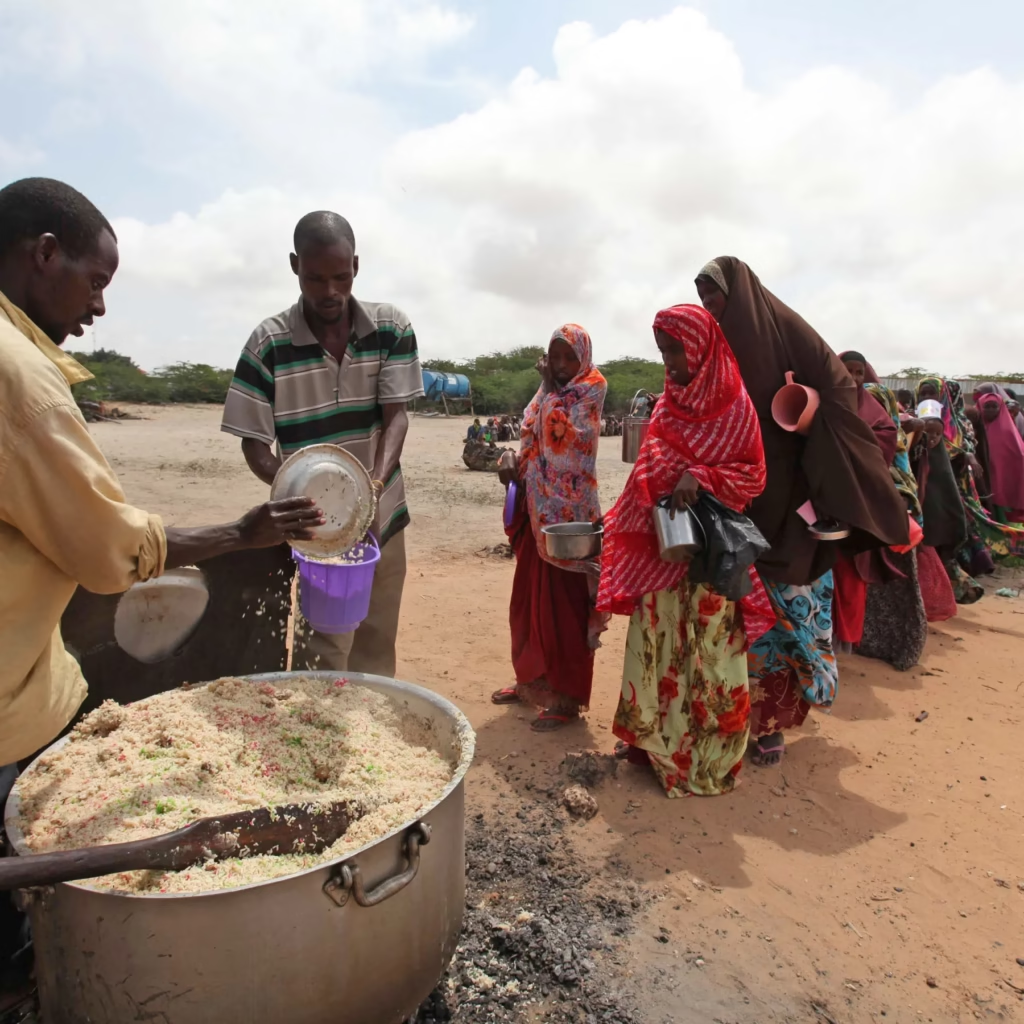

Somalia is facing a deepening humanitarian crisis as drought, conflict, displacement and sharp reductions in international aid leave millions struggling to access food, clean water and healthcare. About 6 million people roughly 31% of the population are facing crisis levels of food insecurity, according to UN agencies. Nearly 1.9 million children under five are projected to suffer from wasting in 2026, including almost 500,000 facing severe acute malnutrition. The situation is particularly severe in Baidoa, a major displacement hub in southwest Somalia. A recent survey by Médecins Sans Frontières (Doctors Without Borders) found that about one in every two children in the displaced communities surveyed was malnourished. MSF warned that funding cuts are weakening already fragile health services as demand for treatment rises.
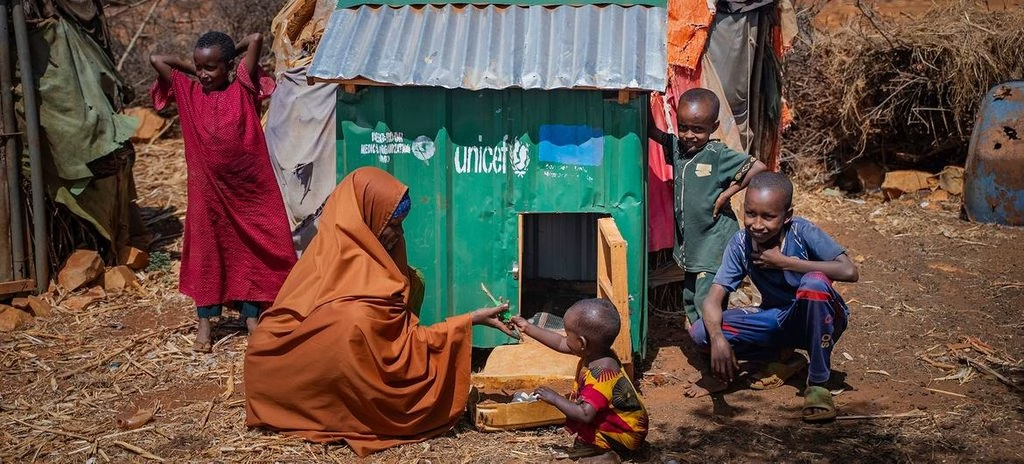
Humanitarian funding shortages are making the crisis harder to contain. UNICEF reported on August 21 that 205 health and nutrition facilities had already closed, while severe funding scenarios could result in as many as 618 facilities shutting nationwide. Health and nutrition service coverage has already fallen by about 30%. The impact extends beyond healthcare. UNICEF says more than 1.6 million people need access to safe water, while the cost of water in some rural and pastoral areas has quadrupled, with a 200-litre barrel rising from about $2 to $8. Education is also under pressure, with more than 78,000 students already having dropped out and another 660,000 at risk.
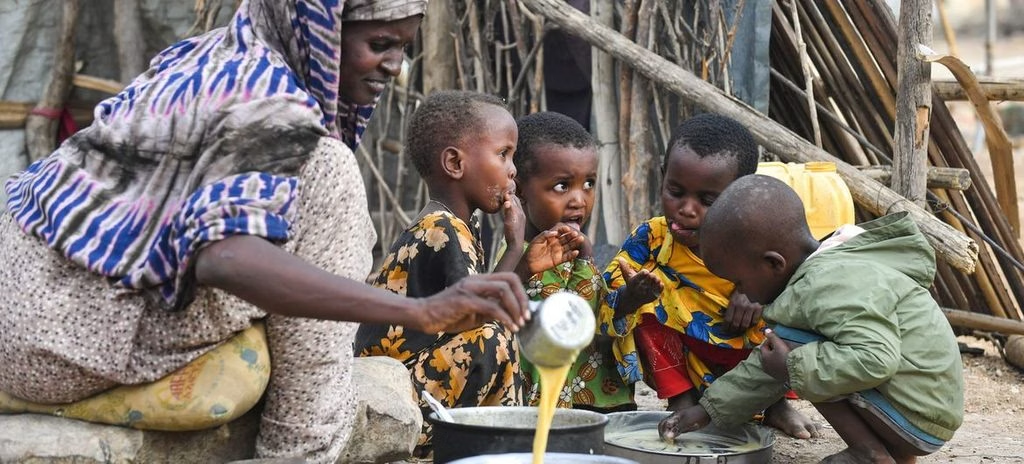
Somalia’s crisis is being compounded by years of conflict and repeated climate shocks. Drought has destroyed crops and livestock, while displacement has pushed millions of people into already overstretched urban and rural settlements. More than 500,000 people were newly displaced during the first three months of 2026, with drought accounting for most of those movements, according to MSF citing UNHCR data. Aid agencies warn that the consequences of further cuts could be severe. UNICEF says nearly one million children, adolescent girls and women risk losing access to nutrition services, while reduced preventive care means severely malnourished children are increasingly reaching hospitals only after their conditions have deteriorated. For Somalia’s families, the crisis is therefore not only about food. It is increasingly a struggle to maintain access to healthcare, clean water, education and basic protection, with humanitarian organizations warning that sustained funding is essential to prevent further deterioration.