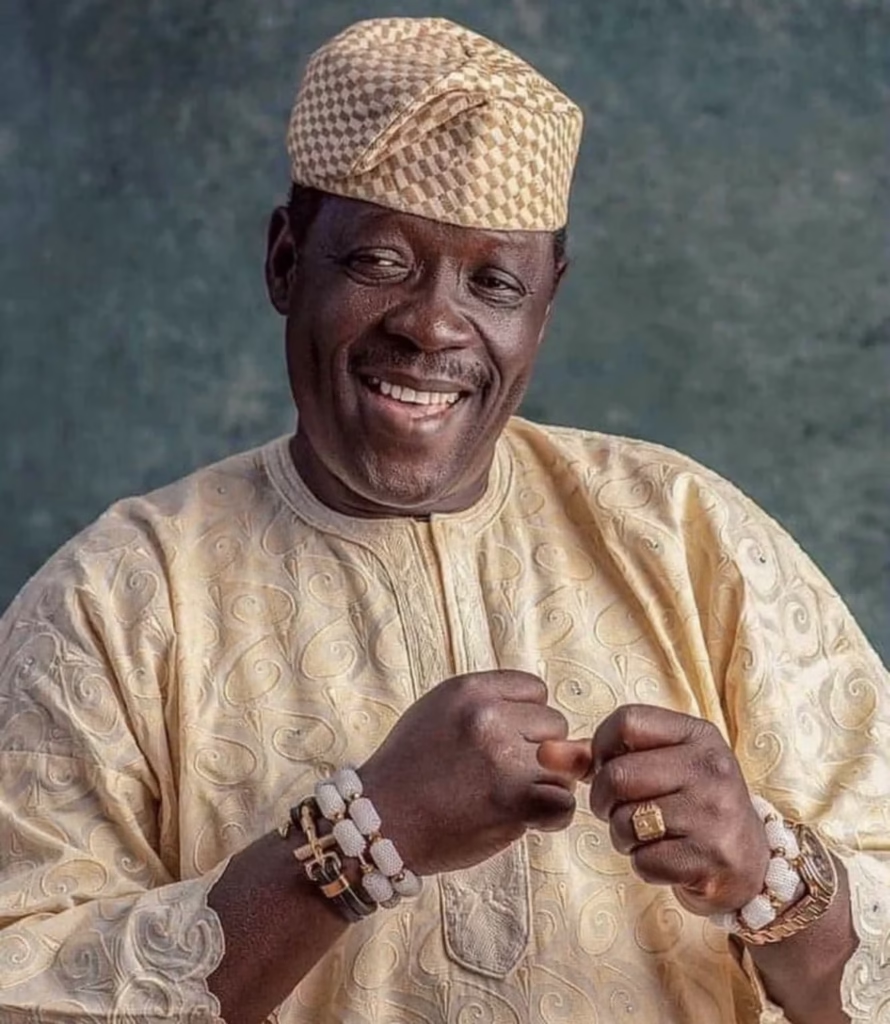

Nigeria’s film industry is mourning the death of veteran Yoruba actor Taiwo Hassan, popularly known as Ogogo, who has died at the age of 66. His daughter, Kira Hassan, confirmed his death during an emotional Instagram Live session on Sunday. Fellow actor Prince Jide Kosoko said Ogogo would be buried on Monday in his hometown in Ogun State, in accordance with Islamic tradition. Ogogo was one of the most recognizable figures in Yoruba-language cinema, building a career that spanned more than four decades. Before becoming a full-time actor, he worked for about 13 years as a mechanic with the Ogun State Water Corporation. He began acting professionally in 1981, balancing the craft with his other work before making the decision to pursue acting full time in 1994.
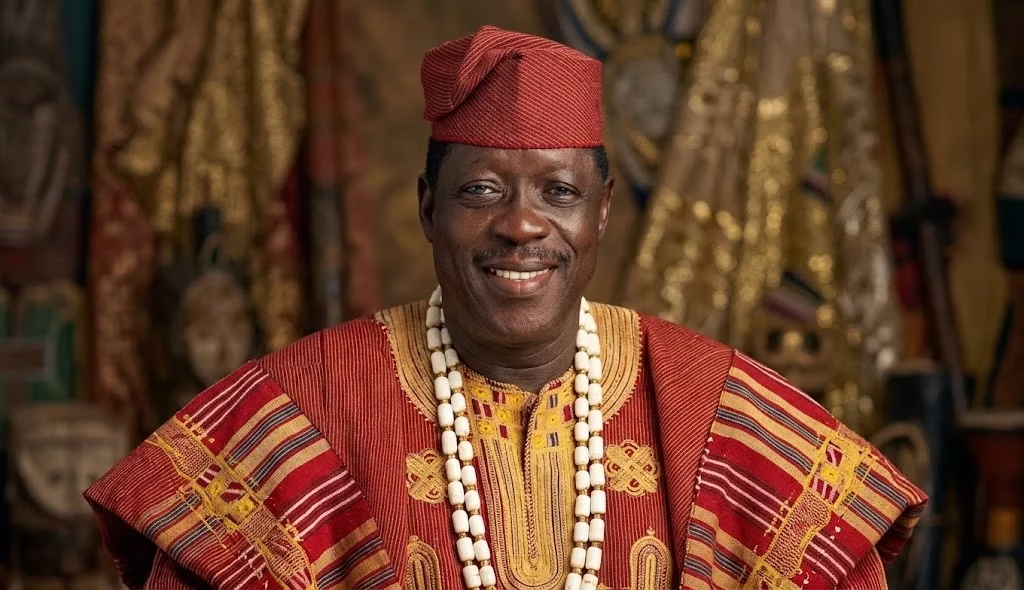
Over the years, Ogogo earned numerous awards and became known for his commanding performances in Yoruba films. One of his notable roles came in the acclaimed historical drama Anikulapo, in which he portrayed the Alaafin of Oyo, one of the most respected traditional titles in Yoruba history. Ogogo’s death has prompted an outpouring of tributes from colleagues, political figures and fans. Actor Saidi Balogun described him as a brother and wrote an emotional farewell, while Femi Adebayo called him a “true pillar of Yoruba cinema,” praising the stories and lessons he contributed to the industry. Actor and filmmaker Muyiwa Ademola described the death as “the end of an era,” saying Ogogo was among the most significant talents Nigeria’s film industry had produced.
Former presidential candidate Atiku Abubakar also paid tribute, saying Ogogo used his talent not only to entertain audiences but also to educate and inspire society. Ogogo’s stage name was not taken from a character he played in a movie, as is sometimes assumed. The actor previously explained that “Ogogo” was a family praise name he had used long before becoming famous and eventually adopted as his professional identity. With his death, Yoruba cinema loses an actor whose career connected generations of audiences and helped preserve the language, traditions and storytelling culture of southwestern Nigeria.