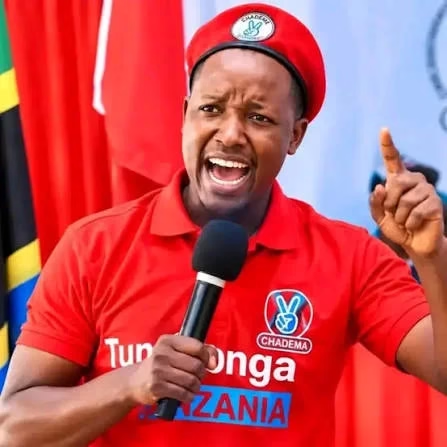

A senior official of Tanzania’s main opposition party, Chadema, has been charged with treason, an offence that carries the potential death penalty, amid mounting concerns over the government’s treatment of political opponents following the disputed 2025 elections. John Pambalu, a member of Chadema’s national council and former leader of its youth wing, appeared in court on Wednesday. The charge sheet accuses him of intending to mobilise the public to obstruct the 2025 general election and organising persistent protests to intimidate the executive.
Chadema deputy chairperson John Heche announced the charges at a public meeting in the northern city of Arusha, saying the party would continue its political struggle despite the legal pressure. Pambalu is the second senior Chadema figure to face treason charges after party leader Tundu Lissu, whose trial has drawn criticism from opposition supporters and concern among observers. The prosecution follows Tanzania’s October 2025 elections, which were marred by protests and a violent security crackdown. Chadema was barred from participating in the vote, which official results said President Samia Suluhu Hassan won with 98% of the vote.
Opposition groups and rights organizations have reported that around 2,000 people were killed during the post-election unrest. A government-appointed inquiry put the death toll at 518 but did not identify those responsible. Hassan’s administration has faced criticism over the handling of the violence, while the opposition has questioned the independence of the inquiry. Hassan took office in 2021 after the death of President John Magufuli and was initially praised for easing restrictions on political opposition and the media. However, critics now accuse her government of reversing those reforms. The latest charges have intensified scrutiny of Tanzania’s political climate and raised further questions about the treatment of opposition figures and the protection of democratic rights.