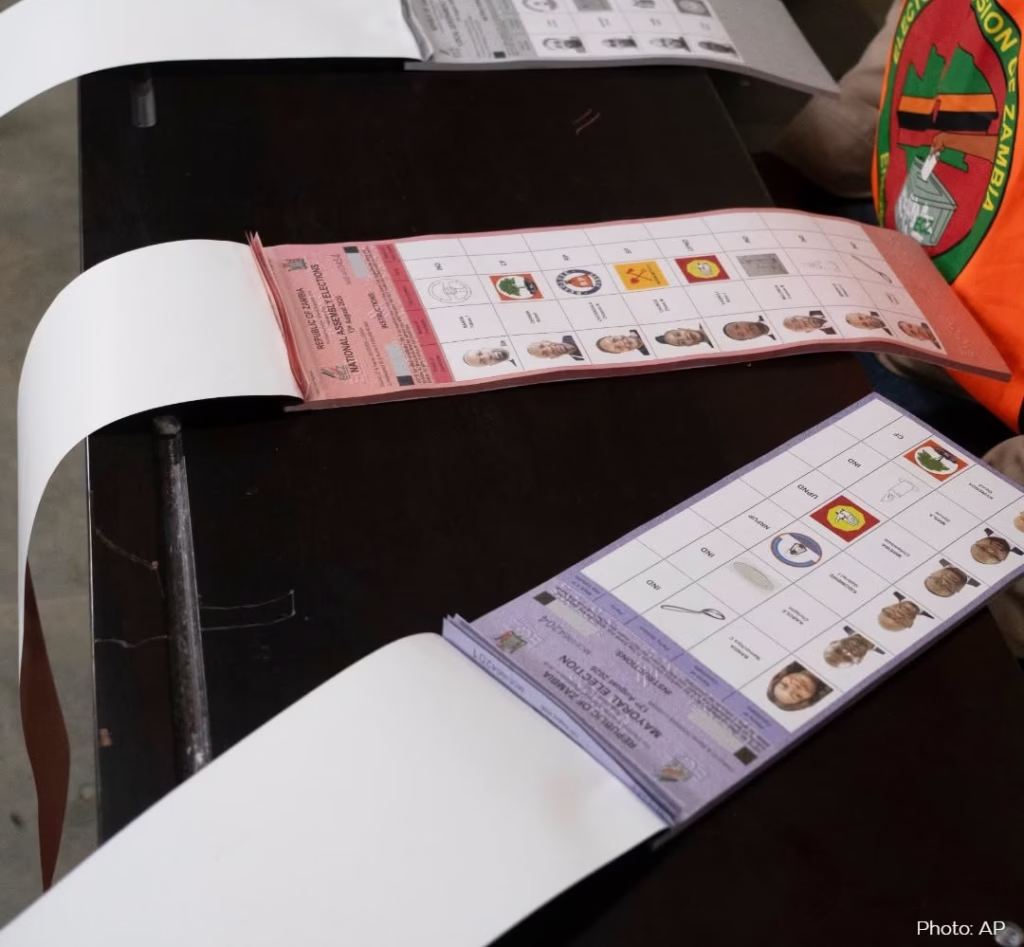

Zambians went to the polls on Thursday to choose their president, lawmakers and local government representatives, with incumbent Hakainde Hichilema seeking a second term amid a debate over whether his economic reforms have improved everyday life. Hichilema, who won power in 2021, is widely expected to retain the presidency. His government points to progress in restructuring Zambia’s debt, restoring macroeconomic stability and improving investor confidence after the country defaulted on its sovereign debt in 2020. The IMF says agreements now cover about 94% of the debt within the restructuring program. But economic gains have not eliminated public frustration. High food and energy costs, unemployment and electricity shortages remain major concerns for households. The IMF forecasts Zambia’s economy will grow by about 4.3% in 2026, while warning that energy constraints and higher fuel prices could continue to weigh on the outlook.
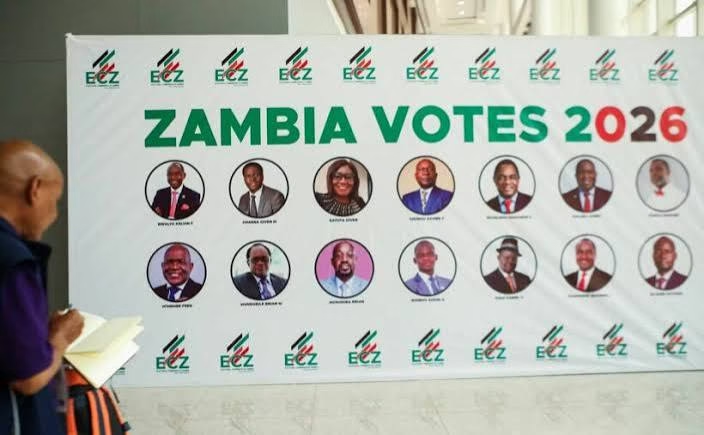
Hichilema’s main challenger is Brian Mundubile, a former minister and opposition politician backed by the Tonse Alliance. Mundubile has accused the government of restricting political freedoms and has made the cost of living and democratic rights central to his campaign. The government has rejected allegations that it is deliberately undermining the opposition. Security was heightened ahead of the vote following government announcements of arrests linked to an alleged plot to interfere with the electoral system. The developments added to opposition concerns about the political environment. The election features 14 presidential candidates, while voters are also choosing members of the National Assembly and local government officials. A presidential candidate must secure more than 50% of the vote to win outright; otherwise, the top two candidates will face a runoff.
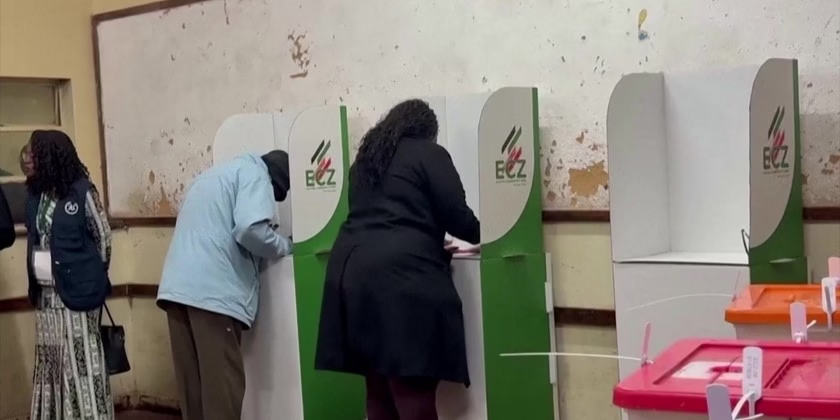
Zambia has traditionally been regarded as one of Africa’s more stable electoral democracies, having experienced several peaceful transfers of power since the return to multiparty politics in 1991. However, concerns over restrictions on dissent and the treatment of opposition figures have placed its democratic record under renewed scrutiny. Polling stations are scheduled to close at 6 p.m. local time, with the Electoral Commission of Zambia scheduled to declare the presidential result on Monday, August 17. For Hichilema, the election is ultimately a referendum on whether his administration’s economic stabilisation has translated into better living conditions. For the opposition, it is an opportunity to turn public frustration over the cost of living and governance into a change of government.