


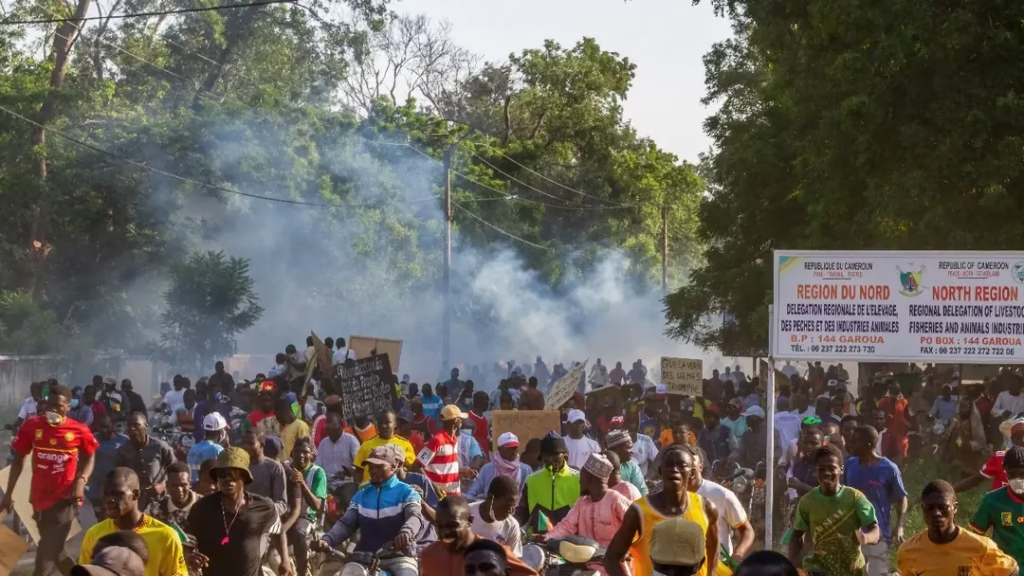
Cameroon remains on edge after a disputed presidential election earlier this month handed another term to President Paul Biya, Africa’s longest-serving leader. At 92 years old, Biya has ruled for more than four decades, and his victory has triggered widespread unrest, especially among young voters demanding political change. Protests have swept through major cities including Douala, Yaoundé, and Garoua, where demonstrators have clashed with security forces. Civil society groups say at least 23 people have been killed since the weekend, with more than 200 arrests reported amid what rights organizations call a violent crackdown.
Opposition candidate Issa Tchiroma Bakary has rejected the results, calling them “a theft of the people’s mandate” and urging supporters to continue peaceful resistance. He announced plans for a three-day national lockdown starting Monday to demonstrate public disapproval of Biya’s victory. Bakary, who has been under heavy security watch since election day, said on Friday that soldiers loyal to him had moved him to a secure location a claim analysts say could point to possible divisions within the military. Activist André Blaise Essama said young Cameroonians have lost patience after years of corruption and stagnation. “Cameroonians who were once afraid now say, ‘this is too much.’ Those who voted for change are being pushed toward a revolution,” he told reporters.
The Constitutional Council confirmed Biya’s victory earlier this week, declaring he won 53.6% of the vote, while Bakary trailed with 42%, figures the opposition disputes as “fabricated.” International observers, including from the European Union and African Union, criticized the vote for lacking transparency and fairness. Human rights groups, including Amnesty International, have called for an independent investigation into the killings and mass arrests, warning that Cameroon risks sliding into deeper instability. Biya, who first came to power in 1982, has long been accused of suppressing dissent through state control of the media and security forces. With tensions high and calls for reform growing louder, analysts warn that the coming weeks could determine whether Cameroon faces renewed authoritarian entrenchment or the beginning of real political change.


