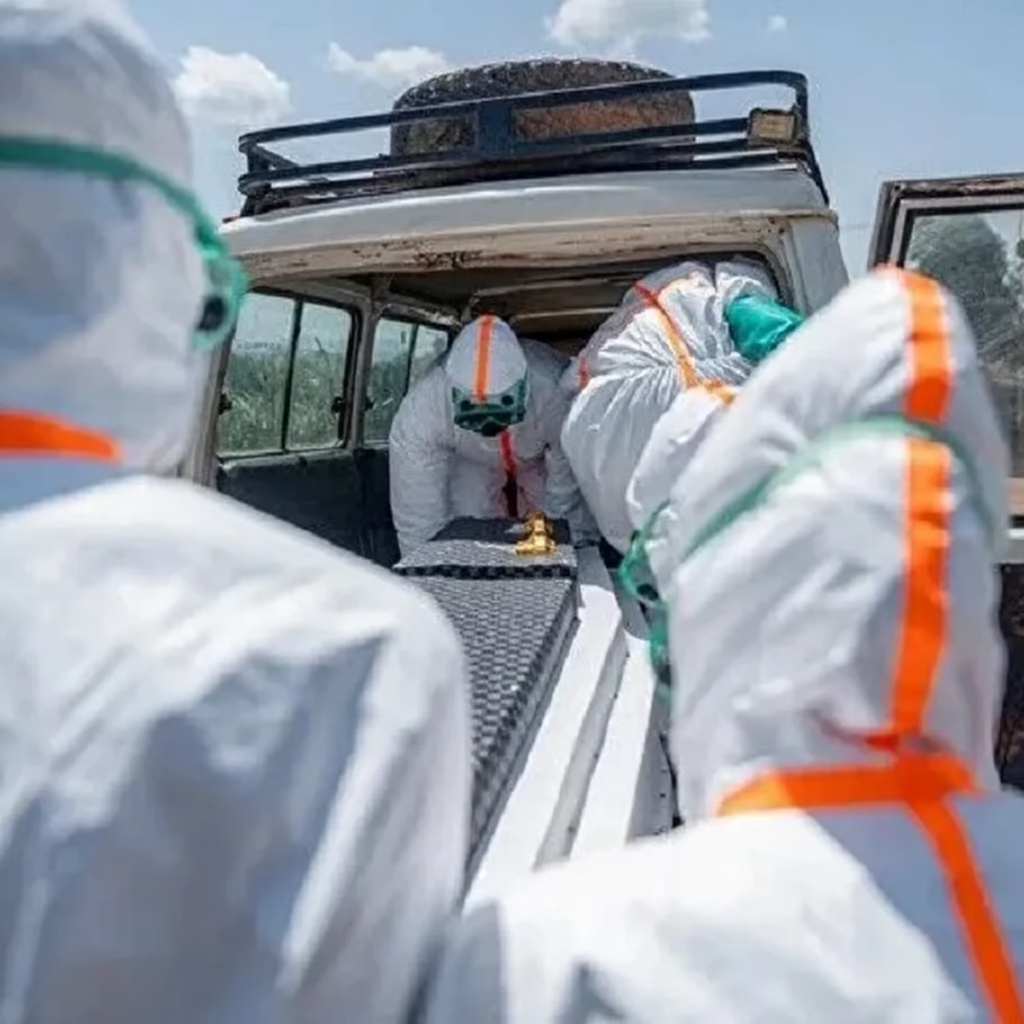

The Democratic Republic of Congo’s Ebola outbreak has surpassed 8,000 confirmed cases, with the death toll approaching 4,000, according to the latest government figures reported by Reuters. The country’s public health institute recorded 8,067 confirmed cases and 3,901 deaths, making the current outbreak the largest and deadliest Ebola epidemic in the DRC’s history.
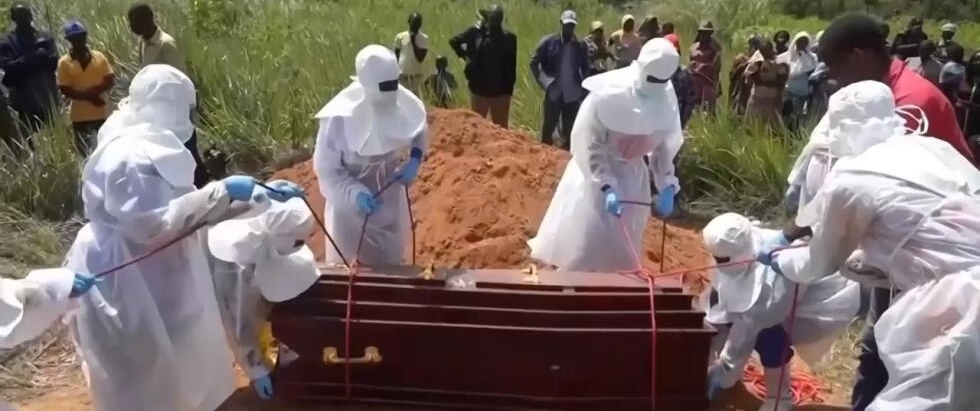
The outbreak, declared in May 2026, is caused by the Bundibugyo virus, a species of Ebola for which there is currently no licensed vaccine or specific approved treatment. WHO says the outbreak has expanded to 63 health zones across seven provinces, increasing concerns about further transmission, including across borders. Health authorities and international partners are testing potential countermeasures. WHO says trials of candidate vaccines, including research into whether the licensed Ervebo vaccine can provide protection against Bundibugyo, are being prepared. A separate clinical trial is also examining potential treatments.
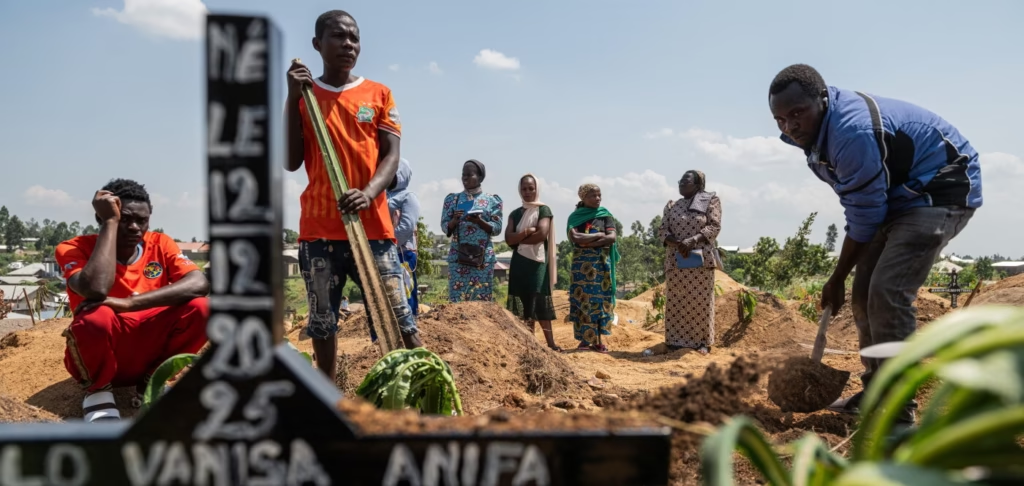
A vaccination study involving frontline workers has already begun, with the DRC, WHO, Africa CDC and Médecins Sans Frontières supporting research into Ervebo’s effectiveness against the current strain. However, WHO stresses that its effectiveness against Bundibugyo in humans remains unknown. International support has also increased. The United States announced an additional $267 million for the response, while the European Union pledged €7.5 million for Ebola control, preparedness and longer-term health surveillance. The outbreak is placing further pressure on a country already facing insecurity and major humanitarian challenges, making surveillance, early detection, treatment and community cooperation critical to containing the disease.