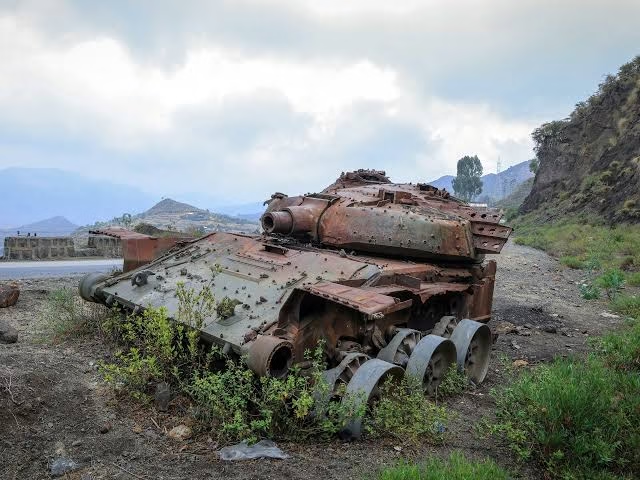

Fighting between Ethiopian federal forces and forces aligned with the Tigray People’s Liberation Front (TPLF) has intensified across northern Ethiopia, raising fears of renewed displacement and a wider humanitarian crisis. The latest clashes, which erupted on September 22, have spread across Tigray, Afar and Amhara regions. Tigrayan forces have taken control of the airports in Mekelle, Axum and Shire, prompting Ethiopian Airlines to suspend flights to the region. A humanitarian source estimates that at least 150,000 people have been displaced in Afar, although the scale of the displacement remains difficult to verify because communications and access have been disrupted. Internet and telephone services have also been severely affected in parts of Tigray.
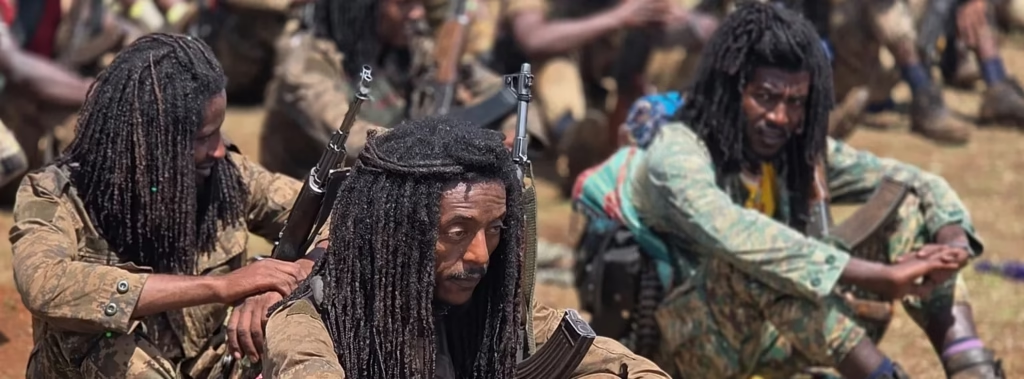
The renewed fighting threatens the November 2022 Pretoria peace agreement, which ended the two-year Tigray war. The conflict caused massive civilian suffering and displacement and was accompanied by widespread allegations of serious human-rights violations. The United Nations has warned that the latest escalation could develop into a broader conflict. Secretary-General António Guterres has called for an immediate reduction in tensions, protection of civilians and unrestricted humanitarian access. He also urged the parties to return to dialogue under the Pretoria framework. The UN has also expressed concern about reported drone attacks and civilian casualties. Human Rights Watch has separately documented an August airstrike in Mekelle that wounded 13 civilians, including seven children, and has called for investigations into possible violations of international humanitarian law.
The Ethiopian military has accused external actors of supporting armed groups involved in the fighting, while the TPLF and its allies reject the government’s characterization of their campaign. Seven Ethiopian armed groups, including the TPLF and Amhara Fano forces, announced an alliance earlier this month seeking to challenge Prime Minister Abiy Ahmed’s government. With humanitarian access increasingly restricted and memories of the 2020–2022 war still fresh, aid agencies and international organizations are urging all sides to protect civilians and prevent the conflict from widening.