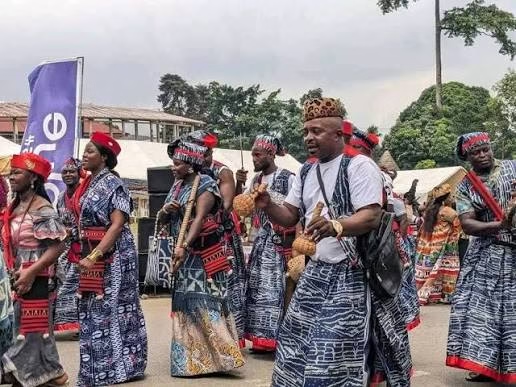

After an eight-year break, Gabon’s Festival of Cultures has returned to Libreville, giving a new generation an opportunity to rediscover the country’s traditions, crafts, music and history. For many young visitors, the festival is not a return to a tradition they remember, but their first meaningful encounter with cultural objects and practices that are becoming increasingly difficult to find. One young participant said the event was important because many traditional objects are now rare, even in national cultural institutions. He also stressed that traditional practices should not automatically be associated with witchcraft, but understood as part of Gabon’s historical record and cultural identity.
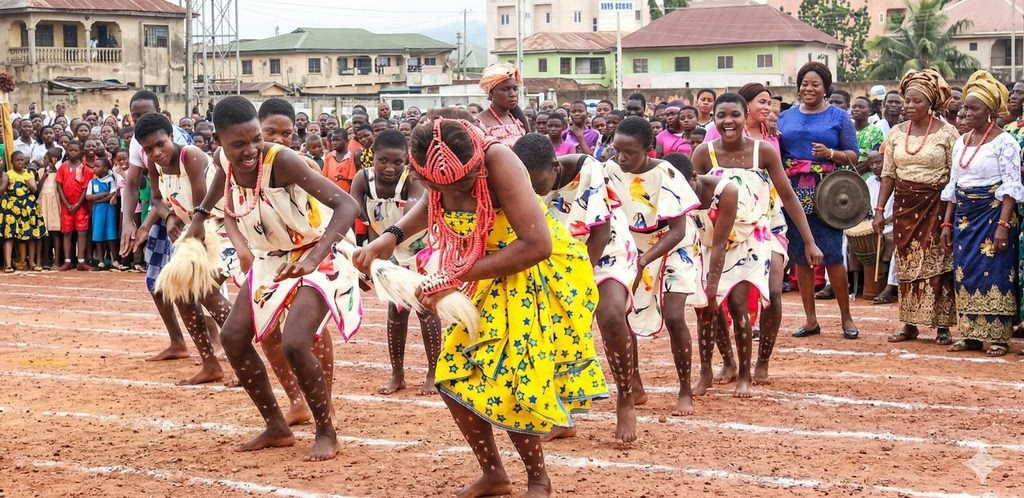
Another young visitor described the festival as a chance to reconnect with Gabonese history and learn more about the heritage of the country’s nine provinces. The festival brings together traditional arts and crafts, storytelling, music, cultural demonstrations and traditional and contemporary dance. Artisans are using the event to display their work, interact with visitors and pass skills and knowledge to younger generations. Organizers say cultural transmission is at the heart of the festival’s return. By bringing communities from across Gabon together, the event aims to preserve traditions at risk of disappearing while promoting the country’s cultural diversity as a source of national unity.
This year’s festival also has an international dimension, with Senegal serving as the guest country of honor. A dedicated Senegalese cultural village features traditional clothing, crafts, music and demonstrations by artisans. Visitors can explore handmade objects produced from materials such as coconut, palm wood and forest seeds. Senegalese representatives welcomed the invitation, describing the participation as an opportunity to strengthen cultural ties between the two countries. After eight years away, the Festival of Cultures is once again providing a major public platform for Gabon’s traditions. More than simply celebrating the past, the event is placing young people at the center of efforts to ensure the country’s cultural heritage survives for future generations.