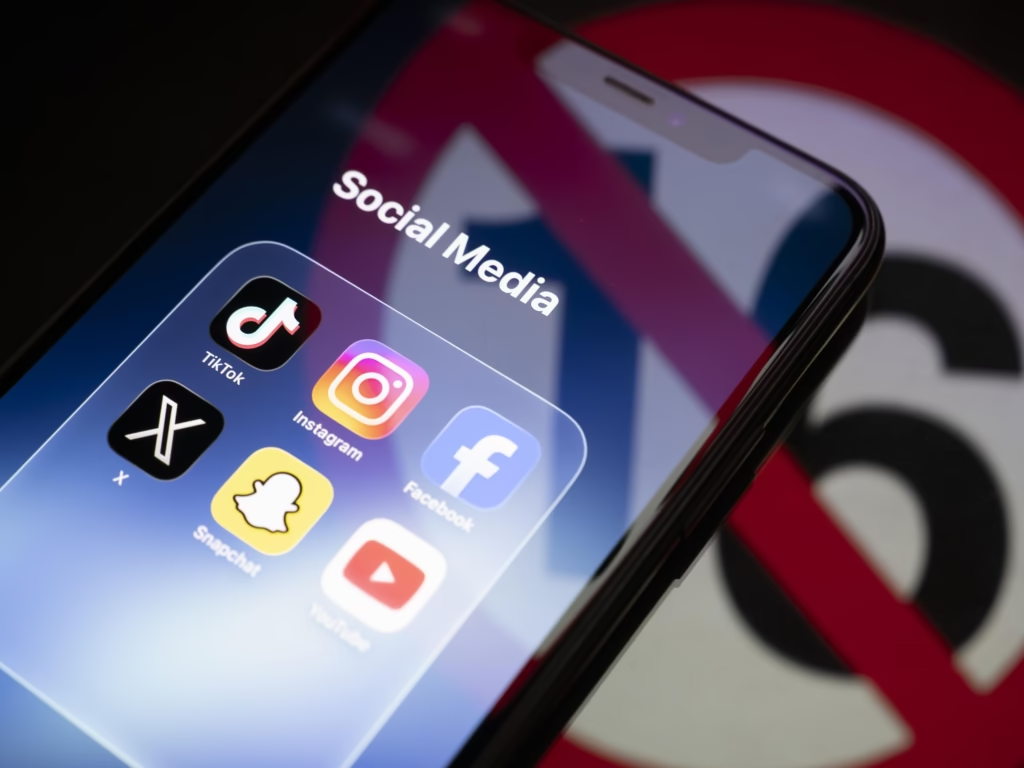

Gabon has lifted an eight-month ban on social media, reversing a controversial restriction that drew criticism from opposition figures and users across the Central African country. The High Communication Authority (HAC) announced the decision in a televised statement on Saturday. The ban, introduced on February 17, had blocked access to popular platforms including Facebook, TikTok, YouTube and Instagram.
At the time, the regulator said online content was fuelling conflict and deepening divisions in the country. However, the restriction disrupted communication and online businesses, particularly among young people who rely on social media for income and everyday interaction. Many users turned to virtual private networks (VPNs) to bypass the restrictions. The suspension was imposed amid growing social unrest under President Brice Oligui Nguema, with teachers and civil servants staging strikes over pay and working conditions. Opposition figures condemned the move as an abuse of power.
Nguema won more than 90% of the vote in last year’s election, following his 2023 coup that ended more than five decades of rule by the Bongo family. He had pledged political and institutional reforms in Gabon, an oil- and timber-rich nation of about 2.5 million people. The lifting of the ban marks a significant change in the government’s approach to online communication. However, questions remain about the safeguards that will govern social media use and protect freedom of expression. The BBC said it had approached the country’s media regulator for comment.