
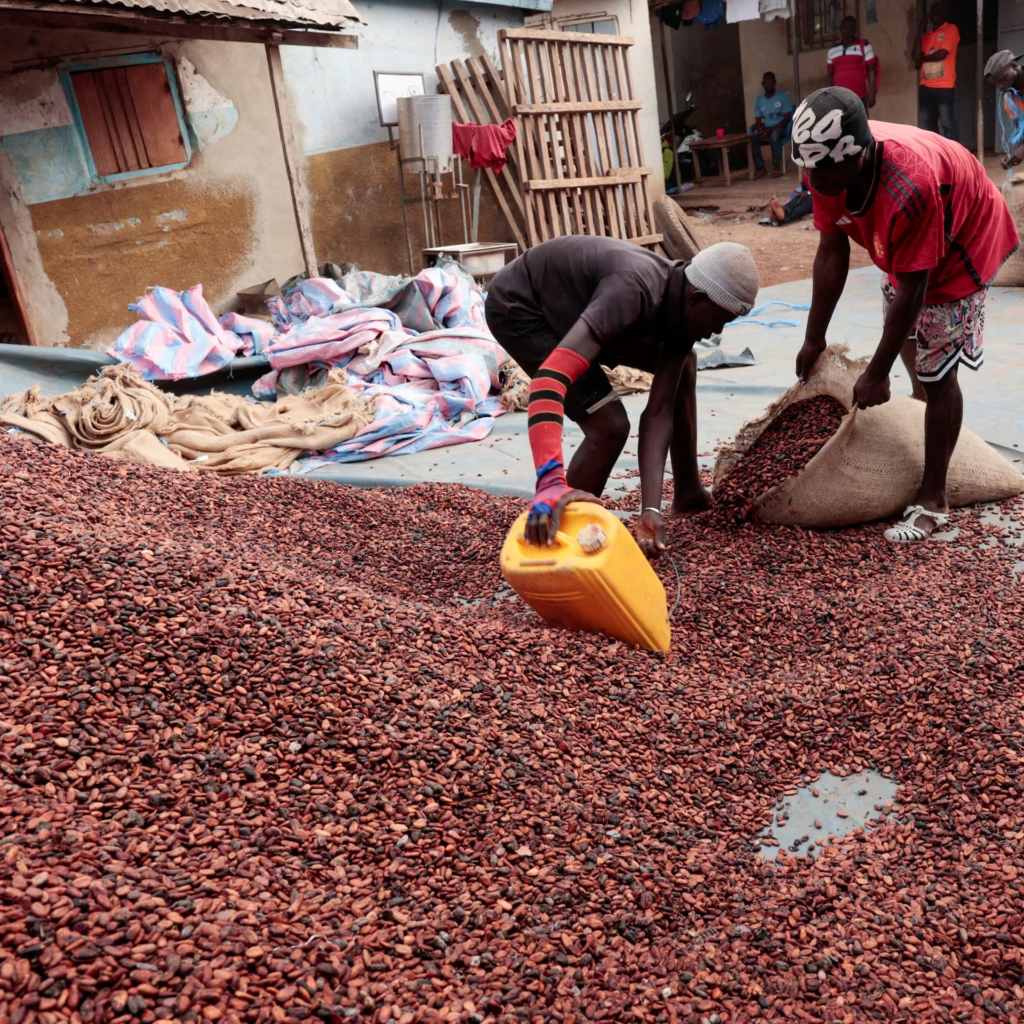

Cocoa farmers in Ghana and Ivory Coast are facing a difficult season as falling prices and weak demand leave some harvested beans unsold, months after global cocoa prices reached record highs. In 2025, cocoa prices surged above $10,000 per tonne on international markets, driven by poor harvests, crop disease and supply shortages. The spike briefly raised hopes among farmers in West Africa, where the crop supports millions of households. But the market has since cooled sharply. Reports indicate that in some farming communities, buyers are delaying purchases or offering prices too low for farmers to accept, leaving sacks of cocoa beans sitting in storage or at risk of spoilage.
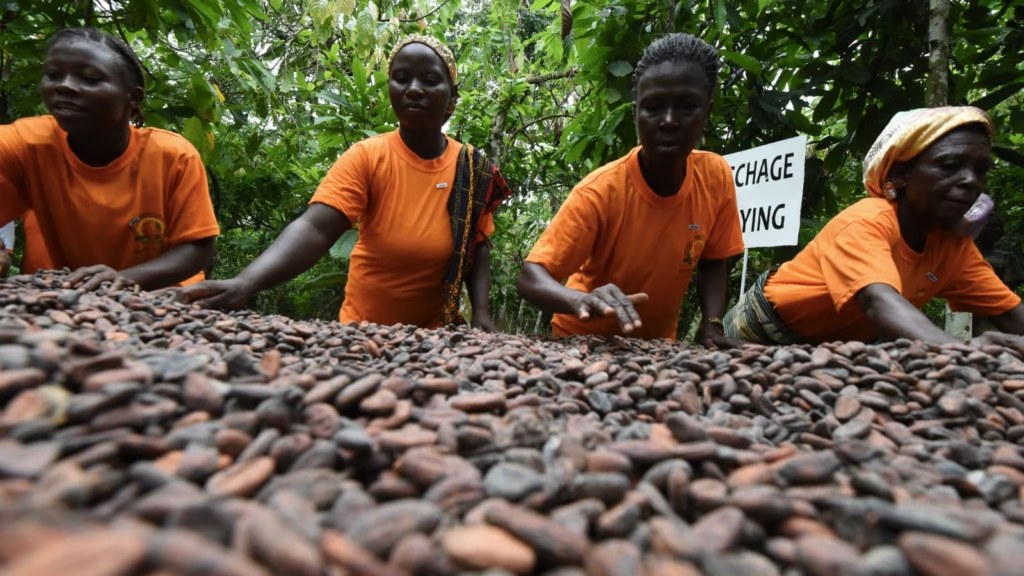
Ghana and Ivory Coast together produce about two-thirds of the world’s cocoa, making the region the backbone of the global chocolate industry. Yet farmers receive only a small share of the profits from an industry worth tens of billions of dollars each year. Both governments set official farmgate prices to protect farmers from extreme market swings. While the system provides some stability, it also means farmers cannot fully benefit when international prices surge. When markets weaken, the fixed prices often provide limited relief. Facing uncertain income, some farmers are beginning to explore alternatives. In parts of Ghana, growers are switching to other crops or turning to small-scale gold mining, which has become a more attractive source of income in recent years.
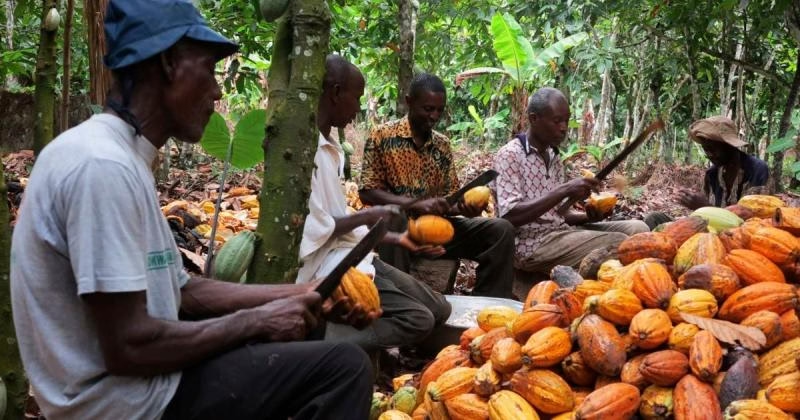
The challenges facing the sector run deeper than the current price slump. Many cocoa farms in West Africa have aging trees, and diseases such as swollen shoot virus continue to damage harvests. Climate change is also altering rainfall patterns, making yields less predictable. Another concern is the future workforce. Younger people in cocoa-growing regions are increasingly reluctant to continue farming, citing hard labor and unstable income. In response, Ghana and Ivory Coast have attempted to strengthen their position in the global market by coordinating policies and pushing for better prices for farmers. However, the sight of unsold cocoa beans in farming communities highlights the continuing imbalance in the global chocolate supply chain. Despite strong global demand for chocolate, the farmers who produce the essential ingredient remain among the most economically vulnerable in the industry.


