
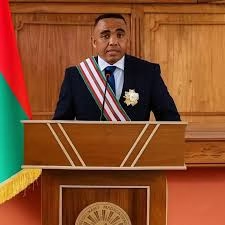

Madagascar’s new military ruler, Colonel Michael Randrianirina, has unveiled a 29-member transitional cabinet that includes several outspoken critics of ousted president Andry Rajoelina, signaling an attempt to balance power and ease political tensions after weeks of unrest. The cabinet, announced on Tuesday, is dominated by civilians with only four ministers drawn from the military or paramilitary ranks. Those appointments cover the key portfolios of defense, public security, land planning, and the gendarmerie.
Randrianirina, who was sworn in as president on Friday, seized control of the country earlier this month following youth-led demonstrations over severe power cuts, water shortages, and rising living costs. The protests culminated in the impeachment of Rajoelina, who fled the country and has since refused to officially resign, even after Madagascar’s High Constitutional Court ratified the transitional government. Businessman and policy consultant Herintsalama Rajaonarivelo was appointed prime minister last week, charged with leading a technocratic administration that Randrianirina says will govern for up to two years until elections are organized.
The new leadership faces daunting challenges, including chronic infrastructure failures, a struggling economy, and growing public frustration with political elites. While Tuesday’s cabinet announcement has brought a measure of calm, many protest organizers have yet to issue formal statements, and observers warn that public patience could quickly erode if promised reforms stall. Randrianirina has pledged that the transitional committee, composed largely of military figures will work with civilian authorities “to restore order, rebuild public trust, and lay the groundwork for credible elections.” International partners, including the African Union and United Nations, have urged the junta to commit to a clear electoral timeline and ensure civilian participation in governance.


