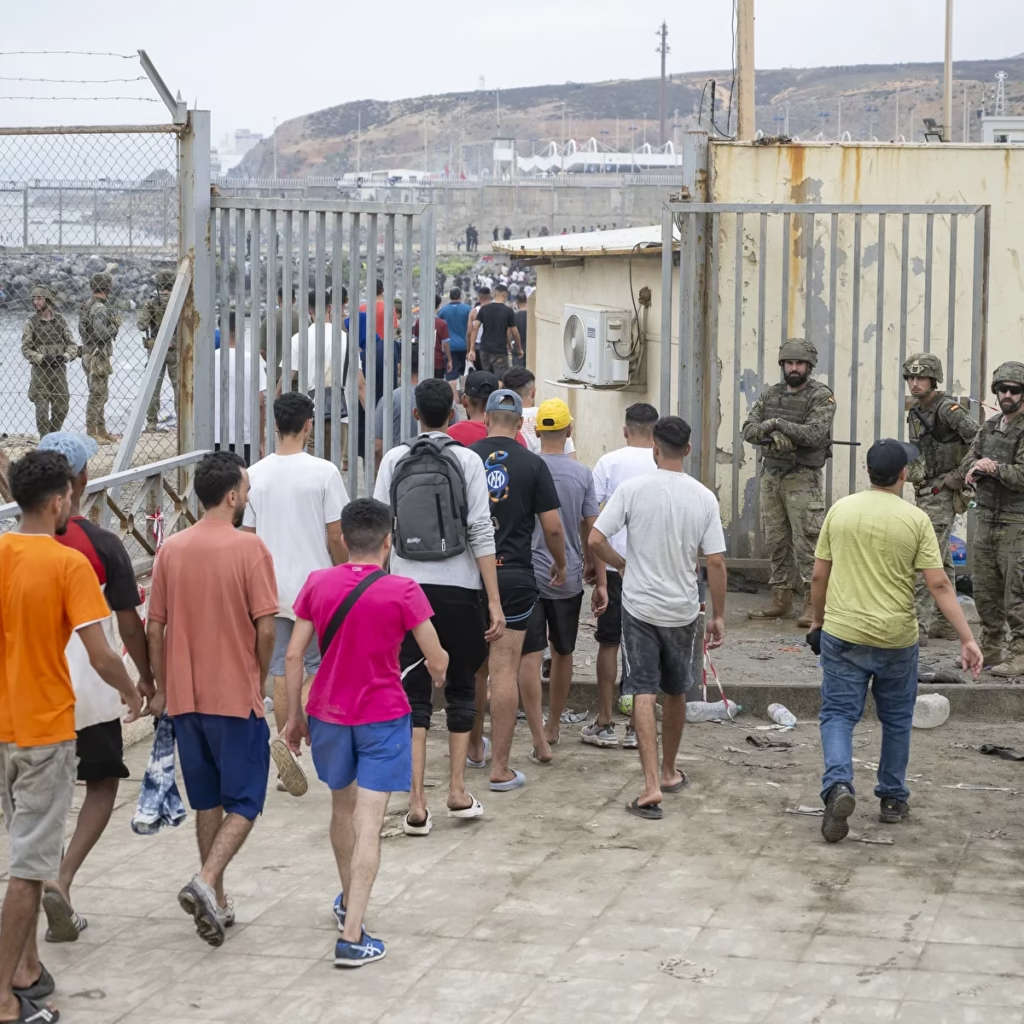

Morocco has tightened security along its border with the Spanish enclave of Ceuta after social media calls for another mass crossing on August 15, weeks after an unprecedented influx left dozens of people dead. Interior Ministry spokesman Rachid El Khalfi said Wednesday that authorities had taken “all the necessary measures” to prevent illegal crossings and intercept people attempting to take part. The move follows the late-July border crisis, when an estimated 72,000 people entered or attempted to enter Ceuta, most of them Moroccans, after online posts encouraged people to head toward the enclave. Spanish authorities have since returned most of those who crossed.

The previous surge came largely through swimming and other sea crossings, overwhelming local authorities and reception facilities. Ceuta, a Spanish territory on Morocco’s northern coast, has a population of roughly 80,000 and is one of the European Union’s only land borders with Africa, alongside neighboring Melilla. At least 80 migrants died during the July crisis, according to Spanish authorities, with most deaths linked to the dangerous attempts to reach the enclave. Identification efforts for the victims have continued, with Spanish authorities saying many bodies initially remained unidentified. Morocco has warned that people organizing or promoting new irregular crossings could face legal action. Authorities have also increased patrols and security deployments around the border as online rumors continue to circulate.
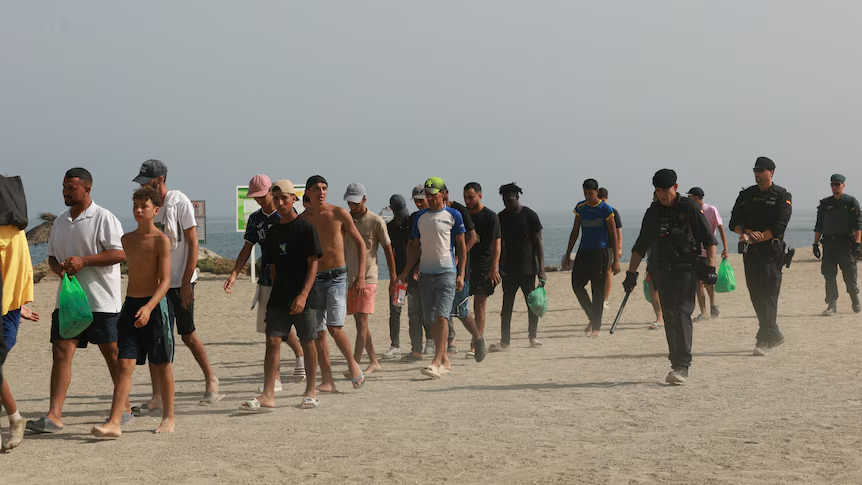
The situation has left Ceuta facing pressure on housing and reception services. Thousands of migrants remained in the territory after the July crossings, including a large number of unaccompanied minors, who face additional legal protections under Spanish law. The renewed mobilization is also raising concerns about another humanitarian crisis. Spanish and Moroccan authorities are closely monitoring the coastline and border approaches as August 15 approaches. For Morocco, preventing another surge is both a security and humanitarian priority, while Spain faces the challenge of managing migration at its two North African enclaves without further loss of life.