
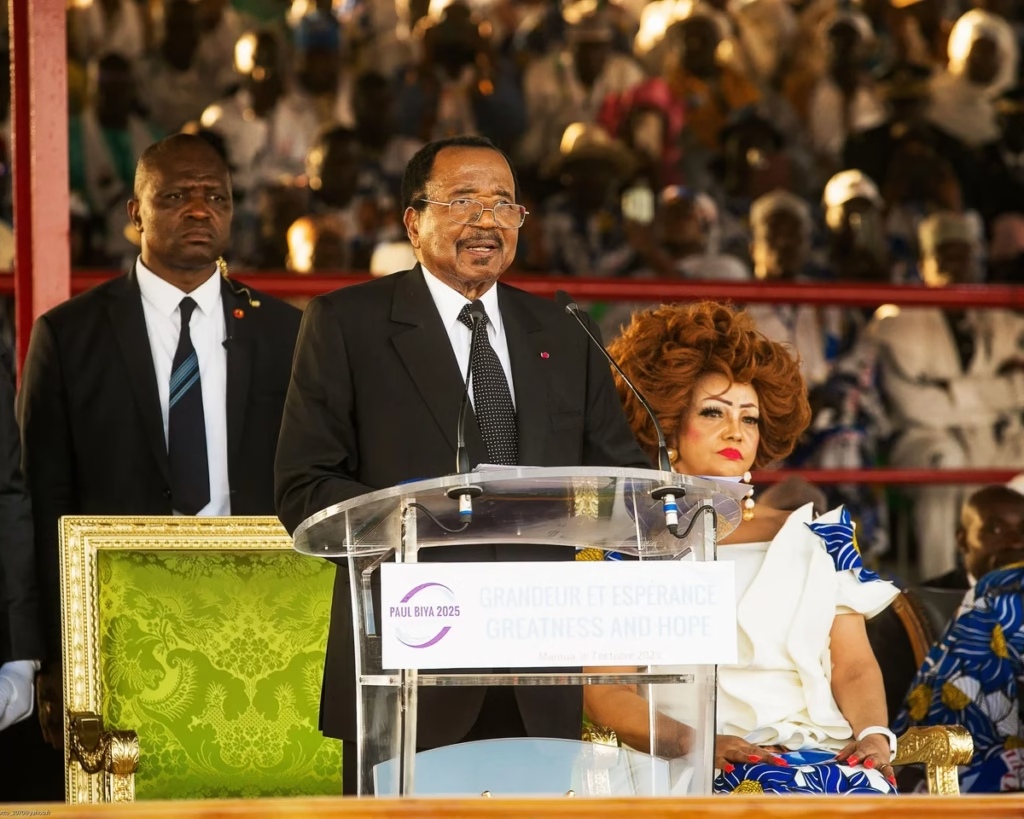

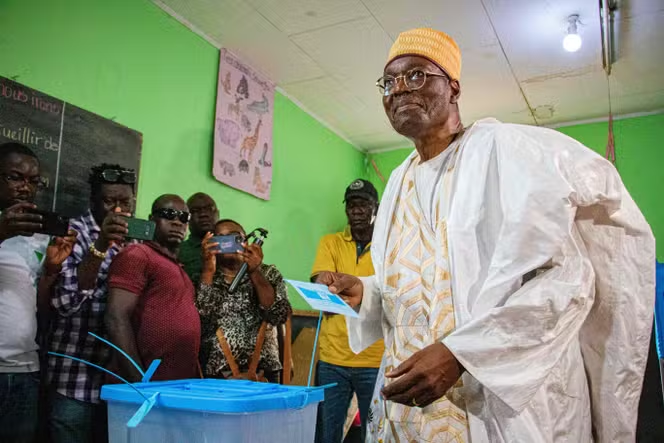
Eight days after Cameroon’s presidential election, the National Vote Counting Commission has released provisional results showing longtime leader Paul Biya in the lead with 53% of the vote, ahead of main challenger Issa Tchiroma Bakary, who secured 35%. The announcement has triggered disputes and unrest across the country, with the opposition rejecting the figures and alleging widespread electoral fraud. Bakary, a former communication minister turned opposition leader, declared himself the “true winner,” saying his own vote tally showed him receiving about 60% of the ballots. “The people have made their choice, and that choice must be respected,” he said in a statement. His campaign has demanded a full audit of the vote and called for international observers to intervene.
Protests erupted in major cities including Yaoundé, Douala, and Bamenda, with demonstrators accusing authorities of manipulating the vote count. Several rallies turned violent as security forces dispersed crowds with tear gas, leading to multiple injuries and dozens of arrests, according to local rights groups. The Constitutional Council is expected to confirm the final results by October 26, though tensions remain high as opposition supporters threaten to continue street demonstrations if the provisional results are upheld. If validated, the outcome would secure President Biya’s eighth consecutive term, extending his 42-year rule over the Central African nation. At 92 years old, Biya is one of the world’s longest-serving leaders, having first taken office in 1982.
Critics say Biya’s extended tenure has been marked by political repression, corruption, and economic stagnation, while his supporters credit him with maintaining relative stability in a country frequently rocked by Anglophone separatist conflict and regional insecurity. Regional observers from the African Union (AU) and ECCAS described the vote as “largely peaceful but lacking transparency,” noting limited access for independent monitors and irregularities in vote counting. As Cameroonians await the final decision, the post-election atmosphere underscores deep divisions in a nation where calls for democratic renewal continue to grow louder.


