
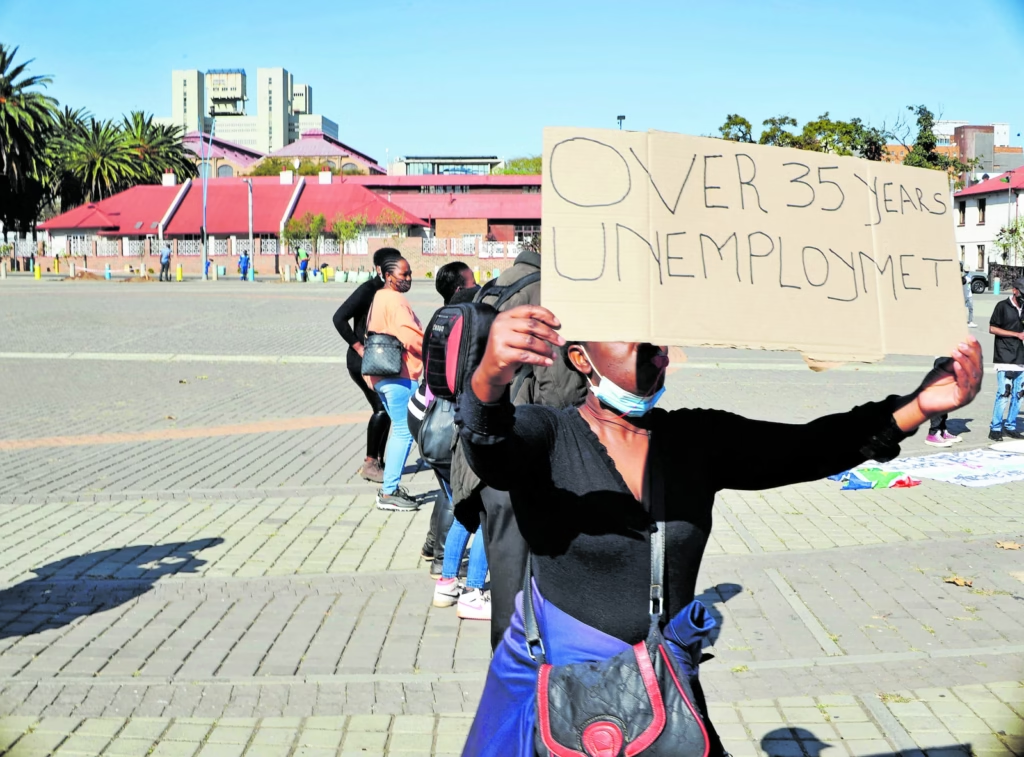

South Africa’s unemployment rate fell to 31.9% in the third quarter of 2025, down from 33.2% in the previous quarter, according to new data released on Tuesday by Statistics South Africa (Stats SA). The decline, though modest, marks a continued recovery in the labour market following years of sluggish growth and pandemic-related job losses. Stats SA attributed the improvement to strong hiring in construction, community and social services, and trade, sectors that together added more than 350,000 jobs between July and September. The construction industry led the gains, adding around 130,000 new positions, followed by community and social services (116,000) and trade (108,000). Six of the ten industries tracked by Stats SA reported employment growth, while manufacturing and agriculture showed slight declines.
Statistician-General Solly Molayi said the agency had updated its data collection methods to align with International Labor Organization (ILO) standards, improving the capture of informal and part-time employment, especially in labor-intensive sectors. Seasonal hiring trends, which is common in the third quarter also played a role in the uptick. “The third quarter often reflects temporary job creation ahead of the holiday season,” Molayi noted. Despite the improvement, unemployment remains stubbornly high, hovering above 30% since the onset of the COVID-19 pandemic. Youth unemployment remains particularly severe, at over 55%, underscoring ongoing structural weaknesses in the economy.
South Africa’s economy has shown gradual recovery in recent months, supported by improved electricity supply, fewer port disruptions, and a rebound in consumer spending. However, economists warn that growth remains too weak to generate lasting job creation. Citi economist Gina Schoeman said boosting investment was crucial to reducing unemployment “to see sustained job growth, South Africa’s investment-to-GDP ratio needs to rise from 14% to at least 16%. Without stronger private sector investment, employment gains will remain short-lived.” The government has pledged to accelerate infrastructure investment and skills development programs under its National Development Plan, but analysts say bureaucratic bottlenecks and policy uncertainty continue to slow progress.


